
Call: 07313726644
 Send Inquiry
 Send Inquiry
Conveyor Belt Fasteners and Lacings
MOQ : 25 Pieces
Conveyor Belt Fasteners and Lacings Specification
- Tensile Strength
- High tensile, typically 800-2000 N/mm2 depending on material
- Drive Type
- Manual
- Head Type
- Flat/Hinged
- Corrosion Resistant
- Yes
- Hardness
- 38-45 HRC (Standard for steel fasteners)
- Thickness
- 1.2 mm to 4 mm
- Shape
- Hinged, flat plate design
- Finish
- Polished, Zinc/Chrome coated
- Surface Treatment
- Galvanized or stainless steel finish
- Standard
- DIN, ISO, or as per manufacturer specification
- Load Capacity
- Up to 6,000 lbs. (varies per type and size)
- Feature
- Corrosion resistant, robust mechanical fastening
- Capacity
- Suitable for light, medium, and heavy duty conveyors
- Grade
- Industrial
- Diameter
- Customized as per belt size
- Fasteners Type
- Lacing, Alligator/Hinged Fastener
- Material
- Steel, Stainless Steel
- Size
- 0 to 25 mm
- Tolerance
- 0.05 mm
- Application
- Conveyor belt joining, repairing, and splicing
- Packaging Type
- Boxed or packed in sets
- Operating Temperature
- -20C to 120C
- Pin Material
- Stainless Steel or Steel
- Color
- Metallic Silver or Natural Steel
- Pin Type
- Coiled or Solid
- Belt Compatibility
- For conveyor belts with thickness 3 mm to 20 mm
- Minimum Pulley Diameter
- Depends on fastener type, typically 50-150 mm
- Installation
- Can be installed with simple hand tools
- Usage
- Mining, Cement Plants, Food Processing, Packaging Industries
Conveyor Belt Fasteners and Lacings Trade Information
- Minimum Order Quantity
- 25 Pieces
- Payment Terms
- Cash in Advance (CID), Cash Advance (CA)
- Supply Ability
- 500 Pieces Per Day
- Delivery Time
- 5 Days
- Main Domestic Market
- West India
About Conveyor Belt Fasteners and Lacings
Conveyor Belt Fastners And Lacings are fabricated using superior quality steel alloy with zinc coated surface finish to prevent corrosion. They are required for holding conveyor belt tightly & securely in place and assuring easy replacement. These lacings are designed having zip-like profile which makes their application quick & easy. Conveyor Belt Fastners And Lacings have curved templet aids that help in assuring accurate placement of bolt holes.
Features:
- Has hinged structural design
- Excellent wear & abrasion resistance
- Provided with piloted bolts for quick installation
Versatile Belt Compatibility
These conveyor belt fasteners and lacings are designed to fit belt thicknesses ranging from 3 mm to 20 mm and can be customized for various belt diameters and sizes. Whether your operation handles lightweight materials or requires robust durability for heavy-duty loads, these fasteners ensure seamless integration with your existing conveyor systems.
Reliable Performance Across Industries
With superior tensile strength and corrosion resistance, these fasteners are perfectly suited for demanding environments such as mining, cement plants, and food processing units. Their flexible design and sturdy materials help maintain conveyor uptime, minimize failures, and support operational efficiency for a wide range of industrial applications.
Easy Installation with Minimal Tools
These mechanical fasteners are engineered for fast, convenient installation using only basic hand tools, making field repairs and belt replacements hassle-free. The boxed or set packaging ensures all hardware is organized and ready for immediate use, reducing downtime and enabling rapid response to maintenance requirements.
FAQ's of Conveyor Belt Fasteners and Lacings:
Q: How are conveyor belt fasteners and lacings installed?
A: Conveyor belt fasteners and lacings can be installed using simple manual hand tools. The process involves aligning the fastener or lacing with the belt ends, securing them with the provided pins (coiled or solid), and ensuring they are clamped firmly. No specialized equipment is necessary, enabling quick and reliable splicing or repairs directly on-site.Q: What types of conveyor belts are these fasteners compatible with?
A: These fasteners are suitable for conveyor belts with thicknesses ranging from 3 mm to 20 mm and can be customized for various belt sizes. They are compatible with belts used in industries such as mining, cement plants, food processing, and packaging, making them highly versatile for industrial use.Q: When should I use mechanical fasteners instead of vulcanized splices?
A: Mechanical fasteners are ideal when rapid installation, repairs, or belt changes are required, or when working in environments where vulcanization is impractical. They are especially useful for on-site repairs and applications demanding minimal downtime, such as in mining or heavy-duty industrial settings.Q: Where are these fasteners commonly used?
A: These conveyor belt fasteners and lacings find extensive use in mining operations, cement manufacturing plants, food processing facilities, and packaging industries across India and globally. Their robust performance and adaptability make them suitable for both light-duty conveyors and heavy-duty industrial transport systems.Q: What are the benefits of using alligator/hinged fasteners for conveyor belts?
A: Alligator or hinged fasteners provide strong mechanical joints that are corrosion-resistant and withstand high loads-up to 6,000 lbs., depending on type and size. Their flexibly hinged or flat design allows belts to operate smoothly over pulleys, while the corrosion-resistant materials and finishes extend service life and maintain belt integrity.Q: How do I select the right pin material and fastener type for my application?
A: Choose the pin material-stainless steel or steel-based on your conveyor's operating conditions and the belt material. Stainless steel pins are recommended for corrosive or food-grade environments, while steel pins suit general industrial applications. The choice between coiled or solid pins depends on required flexibility and belt type.Q: What is the typical process for repairing a conveyor belt using these fasteners?
A: To repair a conveyor belt, clean and align the damaged belt ends, select the correct size fastener, and position it at the joint. Secure the fastener using the designated pins and tighten with basic hand tools. This quick and efficient process restores belt functionality without extensive downtime.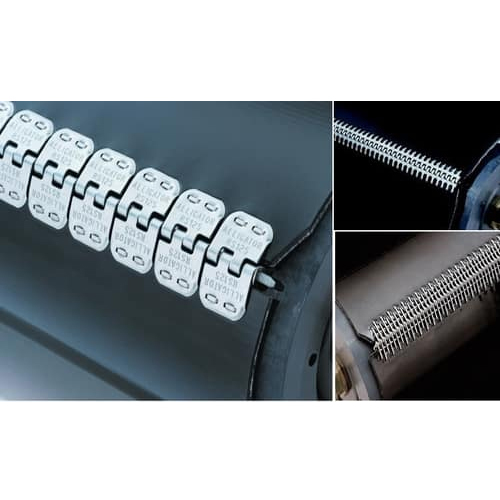
Tell us about your requirement

Price:
Quantity
Select Unit
- 50
- 100
- 200
- 250
- 500
- 1000+
Additional detail
Mobile number
Email

More Products in Conveyor Belts Fasteners and Lacings Category
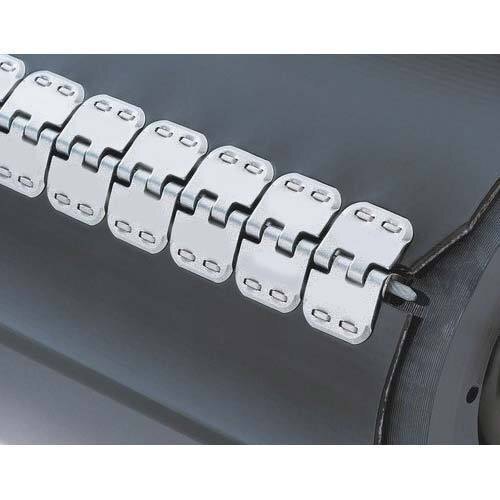
Alligator Steel Belt Lacing
Price 4 INR / Millimeter
Minimum Order Quantity : 100 Millimeters
Color : Silver
Usage : On Belt
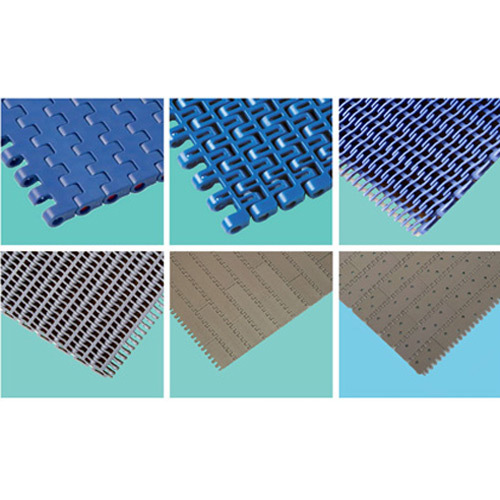
Heavy Duty Plastic Modular Belts and Chain
Price 1000 INR / Piece
Minimum Order Quantity : 100 Pieces
Material : Plastic

Contact Details
CEMPRENE INTERNATIONAL
GST : 24ADGPP3833M1ZA
- 13th Floor, 1302 Block A, Wing A Titanium Business Park, Makarba Road,Ahmedabad - 380015, Gujarat, India
- Phone :07313726644
 Send Inquiry
Developed and Managed by Infocom Network Private Limited.
